Featured image for “Reflective practice is the new deliberate practice”

Reflective practice is the new deliberate practice

For years we’ve been told that deliberate practice is the key to getting better at ‘anything’. But it turns out that deliberate practice is only really effective in well-structured, stable, ‘kind’ learning environments. Learning maths, learning to code, or learning a new language all take place within kind learning environments. So does playing sports or chess. The rules of the game are fixed, the outcomes of actions are evident and feedback is fast, clear and actionable. But much of business, leadership and life isn’t like this. As Heraclitus told us “No man ever steps in the same river twice, for

Continue reading
24.03.25
Featured image for “Leadership beyond deliberate practice”

Leadership beyond deliberate practice

For a long time, the gurus and popular science literature have told us that the best way to master anything is by engaging in deliberate practice. Unfortunately, as I explain in The Myth of Deliberate Practice and Mastery, it’s not that straightforward. That’s because whilst deliberate practice works well in ‘kind’ learning environments, like sports, chess and learning a new language, it isn’t particularly effective in the type of ‘wicked’ learning environments that much of business and leadership takes place in. Can deliberate practice help you be better in business and leadership? Yes, but more so in the earlier stages
Continue reading
This entry was posted in 
23.07.24
Featured image for “The Myth of Deliberate Practice & Mastery”

The Myth of Deliberate Practice & Mastery

Perhaps the self-improvement literature’s biggest act of mis-selling is telling us that if we want to improve at anything then we need to undertake deliberate practice. According to one guru “regardless of where we choose to apply ourselves, deliberate practice can help us maximize our potential”. It sounds enticing, but it’s incorrect. Deliberate practice won’t necessarily help you achieve mastery regardless of where you choose to apply yourself.
Continue reading
This entry was posted in 
02.07.24
Featured image for “Forging a Theory of Mental Models & Mastery”

Forging a Theory of Mental Models & Mastery

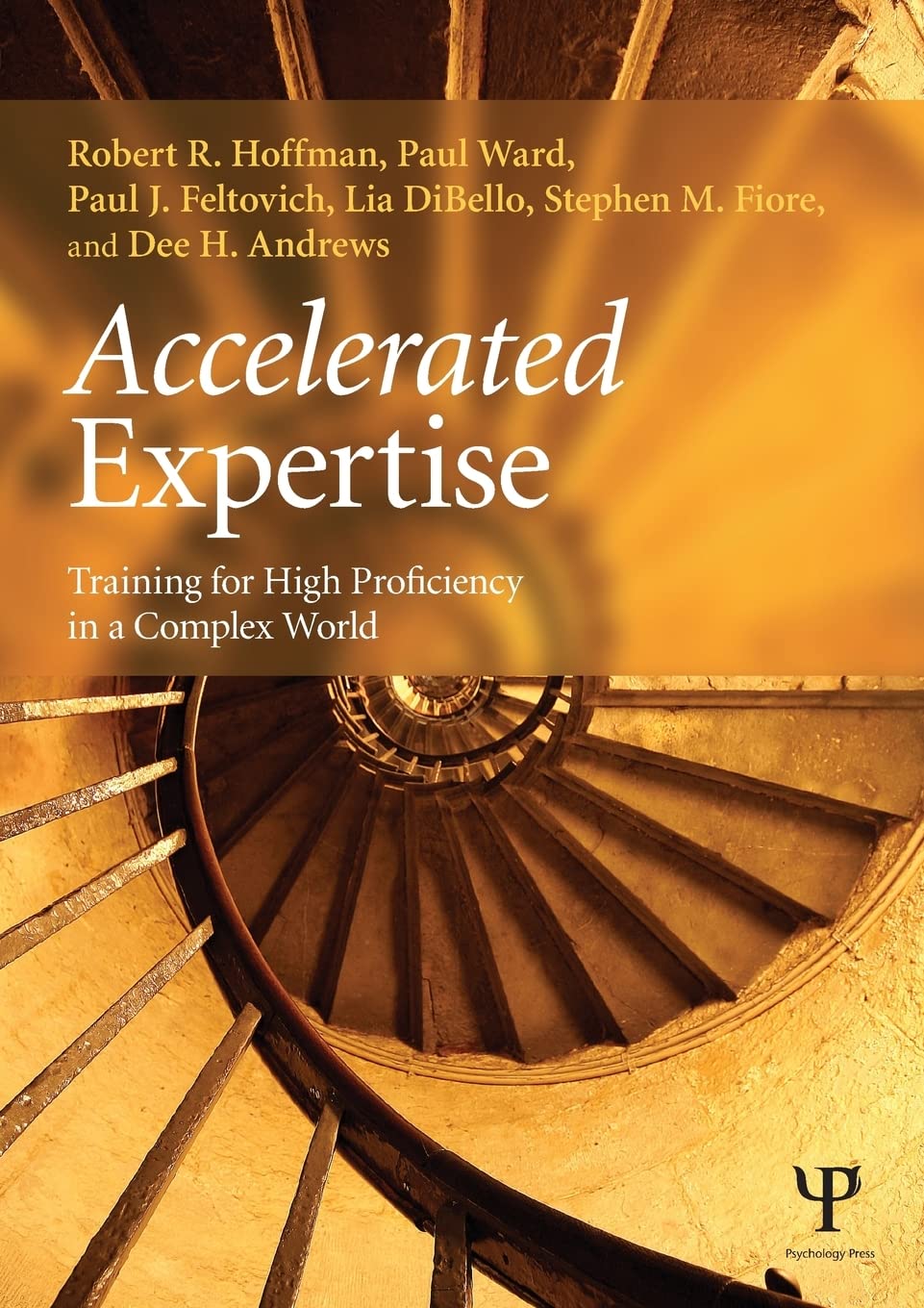
Whether you’re a founder, CEO, investor or other professional striving to be the very best at what you do, how can you accelerate your journey towards mastery? As an executive coach, how can I work with someone who already has a solid level of business experience and help them speed up their journey? It turns out the authors of a fascinating book called Accelerated Expertise: Training for High Proficency in a Complex World were asking themselves similar questions and forging their own theory about this, on behalf of the US Department of Defense. The DoD was trying to wrap its
Continue reading
This entry was posted in 
26.02.24
Featured image for “The Mental Models Paradox”

The Mental Models Paradox

Ever since word of Charlie Munger’s worldly wisdom built upon a latticework of mental models got out, people have become obsessed with what mental models they can use to make them smarter. If we take these mental models and run our reality through them, then we’ll become better thinkers, make better decisions (and investments), and achieve Munger-level wisdom (and wealth). Or will we? Here’s the paradox:   Good mental models, and other conceptual frameworks, make us smarter but only up to a point, after which they can actually constrain our thinking.
Continue reading
This entry was posted in 
19.10.23